Contact : +254 725 877 146
International Zebra Day 2026: Kenya’s Role in Zebra Conservation

International Zebra Day, observed every year on 31st January, is a global awareness day dedicated to celebrating zebras and strengthening conservation efforts worldwide. In Kenya, the day holds exceptional significance, as the country remains a global stronghold for zebra conservation, particularly for the endangered Grevy’s zebra.
The History of International Zebra Day
International Zebra Day was founded in the early 2010s by a coalition of zebra conservationists, scientists, and wildlife organizations responding to the rapid decline of zebra populations across Africa.
The initiative emerged through collaborative support from the Smithsonian’s National Zoo and Conservation Biology Institute . The Smithsonian has played a critical role in advancing zebra research, conservation biology, and community-based conservation programs, particularly in Kenya’s northern rangelands.
The date 31st January symbolizes hope and renewal. Over time, the day has evolved into a powerful platform for education, policy dialogue, and grassroots conservation action.
International Zebra Day 2026 Theme
“Zebras and Communities: Living in Harmony with Nature”
The 2026 theme strongly reflects the Kenyan conservation reality. In counties such as Samburu, Isiolo, Marsabit, and Laikipia, zebras share landscapes with pastoralist communities whose livelihoods depend on the same land and water resources.
The theme calls for:
– Community-led conservation
-Sustainable rangeland management
– Climate-resilient livelihoods
-Peaceful human-wildlife coexistence
Kenya: A Global Stronghold for Zebra Conservation
Kenya is home to three zebra species, making it one of the most important zebra habitats in the world:
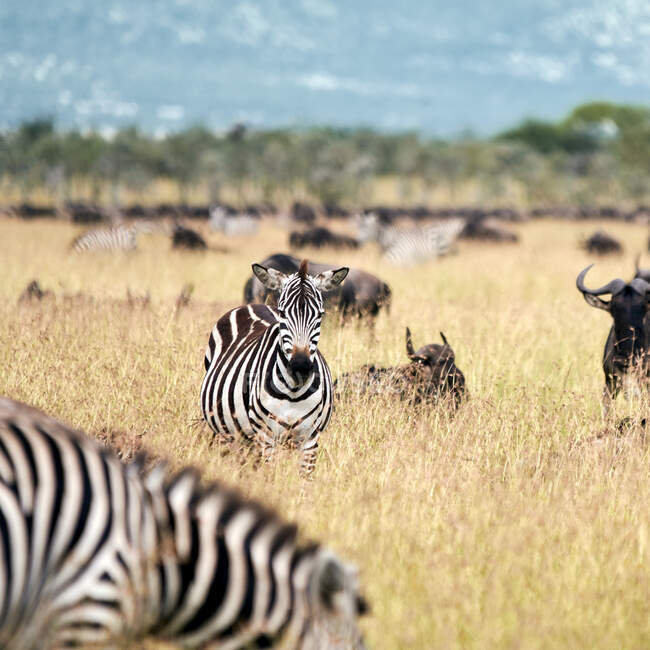
1.Plains Zebra
Commonly seen in Maasai Mara, Amboseli, Tsavo, and Nairobi National Park, plains zebras play a vital role in maintaining healthy savannah ecosystems
2.Grevy’s Zebra (Endangered)
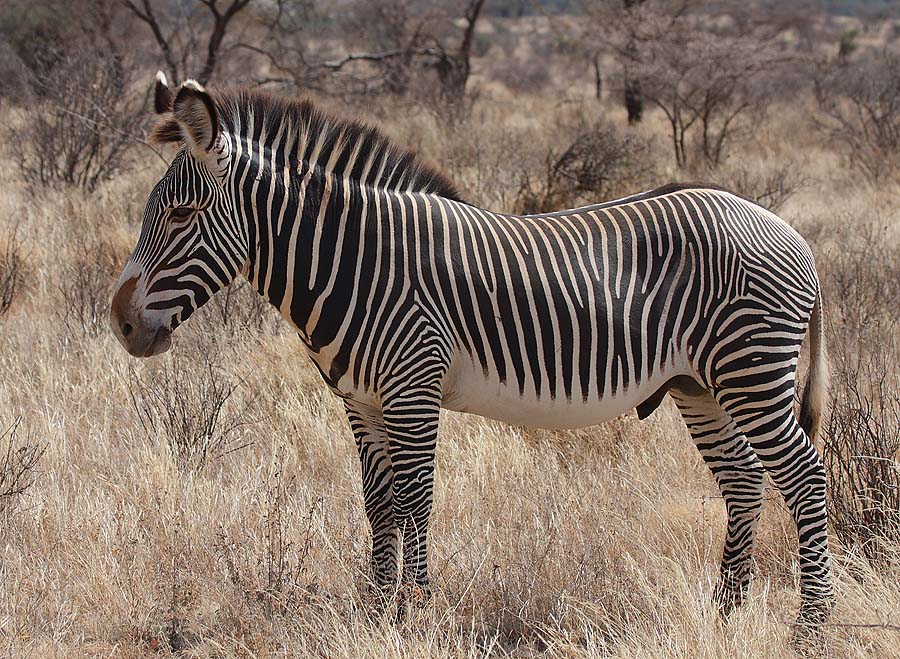
Kenya hosts over 90% of the world’s remaining Grevy’s zebra population, mainly found in Samburu, Isiolo, Marsabit, and Laikipia. Their survival depends heavily on access to water, grazing land, and peaceful coexistence with local communities.
3.Mountain Zebra
Extremely rare in East Africa, with very limited presence.
Why Zebras Matter in Kenya
Zebras are essential to Kenya’s rangeland ecosystems. They help by:
– Preventing overgrazing and bush encroachment
– Supporting biodiversity
– Creating grazing opportunities for livestock and other wildlife
– Acting as indicators of ecosystem health
Zebras are also central to Kenya’s tourism economy, supporting jobs, community conservancies, and national revenue.
Threats Facing Zebras in Kenya
Despite their importance, zebra populations face increasing pressure from:
– Climate change–induced droughts
– Habitat fragmentation
– Human-wildlife conflict
-Competition for water and pasture
– Poaching and illegal wildlife trade
These challenges highlight the urgent need for locally driven, community-centered solutions.
The Science of the Stripe: Nature’s Greatest Mystery
One of the most frequently asked questions during International Zebra Day 2026 is:
Why do zebras have stripes?
For decades, scientists have debated the purpose of this striking pattern, leading to several fascinating theories. Zebra stripes are not just for beauty,they are a complex evolutionary tool that helps zebras survive in challenging environments.
Thermal Regulation: Keeping Cool Under the African Sun
Recent scientific studies suggest that zebra stripes create tiny wind currents over the skin, helping to dissipate heat.
Black stripes absorb heat
White stripes reflect heat
This contrast creates a natural cooling effect, allowing zebras to graze longer in extreme heat compared to other animals. Often described as nature’s biological air-conditioning, this adaptation is a popular topic during International Zebra Day 2026.
Dazzling Predators in the Wild
When zebras move together in a herd, their stripes create an optical illusion known as “motion dazzle.”
This makes it extremely difficult for predators like lions and leopards to single out one individual.
Educators use International Zebra Day 2026 to explain how this collective defense mechanism protects vulnerable members of the herd by confusing predators’ perception of speed, direction, and distance.
A Unique Identity
No two zebras in the world share the same stripe pattern—each zebra is completely unique.
Researchers use these patterns, alongside high-tech cameras, to track individual zebras throughout their lives. On International Zebra Day 2026, we celebrate this individuality as a powerful way to connect people emotionally to zebra conservation. Stripe recognition helps scientists monitor family bonds, health, and migration patterns with remarkable accuracy.
A Kenyan Call to Action
As we mark International Zebra Day 2026, Kenya has an opportunity to lead by example. Protecting zebras means
-Supporting community conservancies
– Promoting sustainable pastoralism
– Investing in climate adaptation
-Strengthening wildlife protection laws
– Expanding environmental education, especially among young people
This International Zebra Day 2026, choose action over awareness. Stand with Kenyan communities protecting zebras especiallay the endangered grevy’s zebra and building a future where people and wildlife thrive together.