Contact : +254 725 877 146

The Big Five
Discover Africa's Big Five, lion, leopard, elephant, buffalo, and rhino—and explore why these iconic animals are the ultimate safari experience in Kenya. A passionate tribute to Kenya's wildlife heritage.

I feel eternal every moment I travel around Kenya, my motherland. There is so much to see and wonder, and in Kenya, not only do visitors enjoy the surreal views, the gorgeous landscapes, the tranquil beauty, and the welcoming people, but they also encounter the legendary Big Five. There is something profoundly moving about standing in the midst of the African savannah, watching a pride of lions laze beneath an acacia tree, or witnessing a herd of elephants march across the plains in search of water, or glimpsing the elusive leopard as it melts into the shadows of the forest. These moments are not just sightings; they are soul-stirring experiences that stay with you forever, and they are the reason why travellers from every corner of the globe flock to Kenya year after year in search of adventure, connection, and wonder.
But how did the name Big Five evolve, and why have these five animals captured the imagination of the world so completely? The term Big Five refers to five iconic African animals: the lion, the leopard, the elephant, the buffalo, and the rhino. These names originated in the hunting era of the nineteenth and early twentieth centuries, when these five animals were considered the hardest and most dangerous to shoot by game rangers and hunters, as they are ferocious when they feel cornered or injured, and they will defend themselves with extraordinary courage and determination.
A wounded lion, a charging elephant, a buffalo with its head lowered, a leopard emerging from the undergrowth, or a rhino thundering towards you, these were the ultimate tests of a hunter’s skill and bravery. The tourism industry later adopted the term Big Five as a marketing strategy, and it bore fruit as tourists became familiar with the concept, for sure no visitor can leave Africa without encountering these species, and if they do, they leave Africa unsatisfied, as no safari is truly complete without the Big Five.
I am a happy Kenyan despite the fact that our ecosystems are gradually collapsing and we face immense challenges in conservation and wildlife protection, but we still have the Big Five, and that is something to celebrate and protect for generations to come.
The lion, scientifically known as Panthera leo, is the undisputed king of the African savannah and the most sought-after member of the Big Five for many safari-goers. With its majestic mane, powerful build, and thunderous roar that can be heard from up to eight kilometres away, the lion embodies strength, courage, and royalty like no other animal on Earth. Lions are the only truly social cats, living in prides that consist of related females, their offspring, and a coalition of one or more males who defend the pride’s territory from rivals. The females are the primary hunters, working together in coordinated teams to bring down large prey such as zebras, wildebeest, and buffalo, while the males guard the pride and its cubs from threats. A pride’s roar is not just a display of power; it is a declaration of territory, a warning to intruders, and a bonding ritual that strengthens the social fabric of the group.
Observing lions in their natural habitat is a humbling experience, as their raw power and grace are matched only by their deep familial bonds and complex social dynamics. In Kenya, lions are found in most major game reserves and parks , including Nairobi National Park, the Maasai Mara, Amboseli, Tsavo, and Samburu, offering visitors ample opportunities to witness these magnificent creatures in action. However, lion populations are declining across Africa due to habitat loss, human-wildlife conflict, and poaching, and their conservation status is listed as Vulnerable by the International Union for Conservation of Nature, making their protection a priority for conservationists and governments alike.
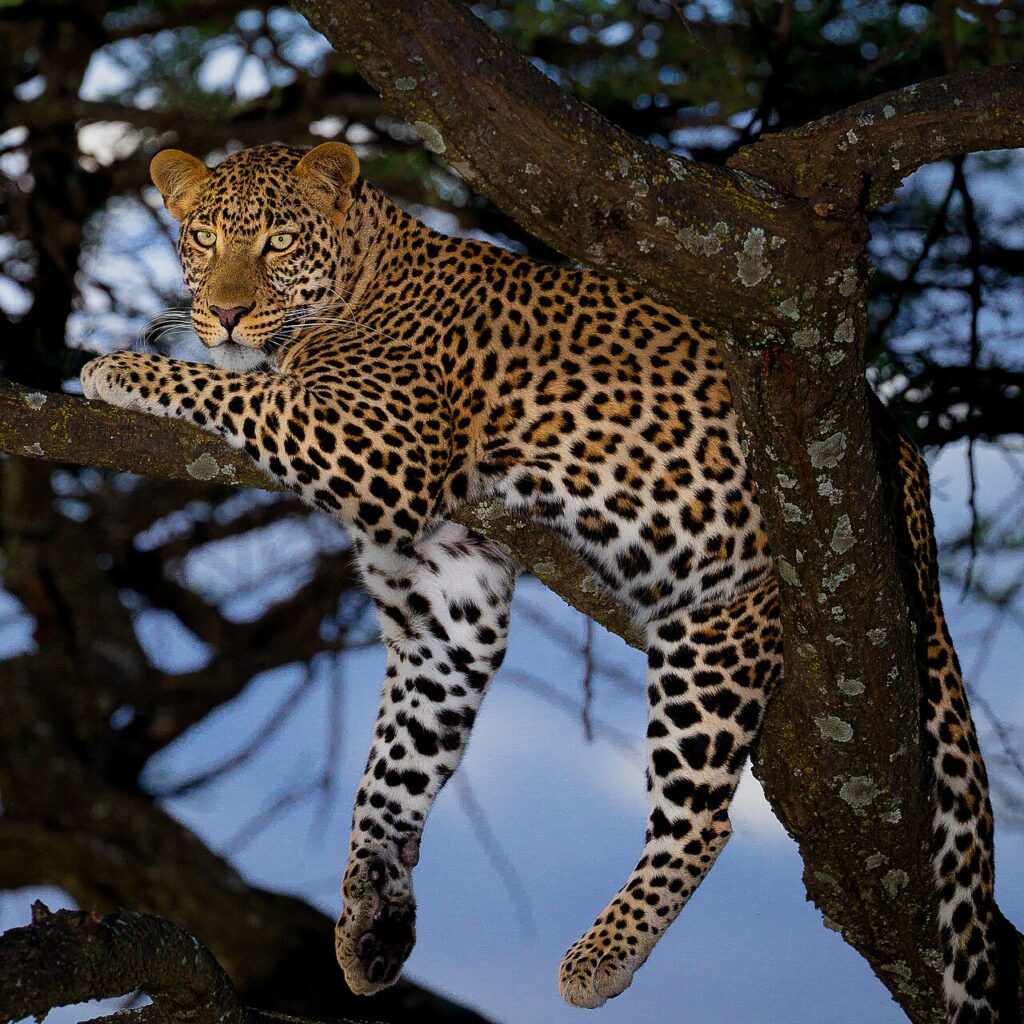
The leopard, scientifically known as Panthera pardus, is the most elusive and mysterious of the Big Five, earning its reputation as the ghost of the bush. Unlike the lion, the leopard is a solitary and nocturnal hunter, preferring to stalk its prey under the cover of darkness and drag its kill high into the branches of trees to keep it safe from scavengers like hyenas and lions. With its stunning coat of golden fur adorned with distinctive rosettes that break up its outline and provide perfect camouflage, the leopard is a master of stealth and deception, blending seamlessly into the dappled shadows of the bush. Its incredible strength allows it to carry prey twice its own body weight into the trees, a feat that never ceases to amaze those fortunate enough to witness it. In Kenya, leopards are widely distributed but rarely seen, as they are shy, secretive, and highly adaptable to a range of habitats, from savannahs and forests to mountains and even urban fringes.
The Maasai Mara, Amboseli, Samburu, and Lake Nakuru are among the best places to spot this magnificent cat, though patience and a keen eye are essential, as leopards are masters of hiding in plain sight. The leopard’s conservation status is listed as Vulnerable, and they face ongoing threats from habitat fragmentation, poaching for their beautiful skins, and retaliation killings by communities whose livestock are occasionally taken. Despite these challenges, the leopard remains one of the most beautiful and awe-inspiring creatures on Earth, and a sighting of this elusive cat is often the highlight of any safari.
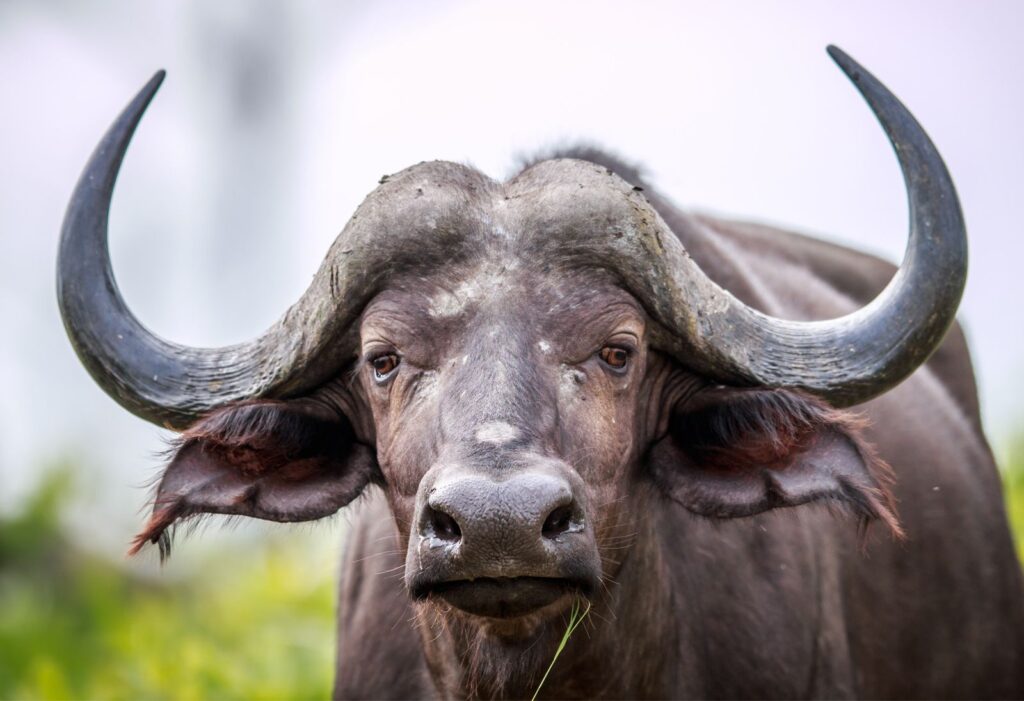
The African buffalo, scientifically known as Syncerus caffer, is the most formidable and unpredictable member of the Big Five, feared by hunters and guides alike for its aggression, strength, and sheer determination when threatened. With its massive build, thick, dark coat, and iconic horns that curve upward and inward to form a distinctive boss, the buffalo is a force of nature that commands respect from all who encounter it. Buffaloes are social animals, gathering in large herds of hundreds or even thousands, and they have a complex social structure with dominant males, known as dagga boys, who often break away from the herd to form bachelor groups. When threatened, the buffalo will not hesitate to charge, and with their immense size, powerful muscles, and razor-sharp horns, they are capable of injuring or even killing lions, hyenas, and humans alike. In Kenya, buffaloes are found in virtually all major parks and reserves, including the Maasai Mara, Amboseli, Tsavo, and Lake Nakuru, and they are often seen grazing on the open plains or wallowing in muddy waterholes to escape the heat. Their conservation status is listed as Least Concern, as their populations remain relatively stable, but they face ongoing threats from habitat loss, disease, and hunting, and their protection is essential for maintaining the balance of savannah ecosystems. Watching a herd of buffaloes move across the plains, with their powerful bodies and determined expressions, is a reminder of the untamed spirit of Africa and the raw beauty of its wilderness.
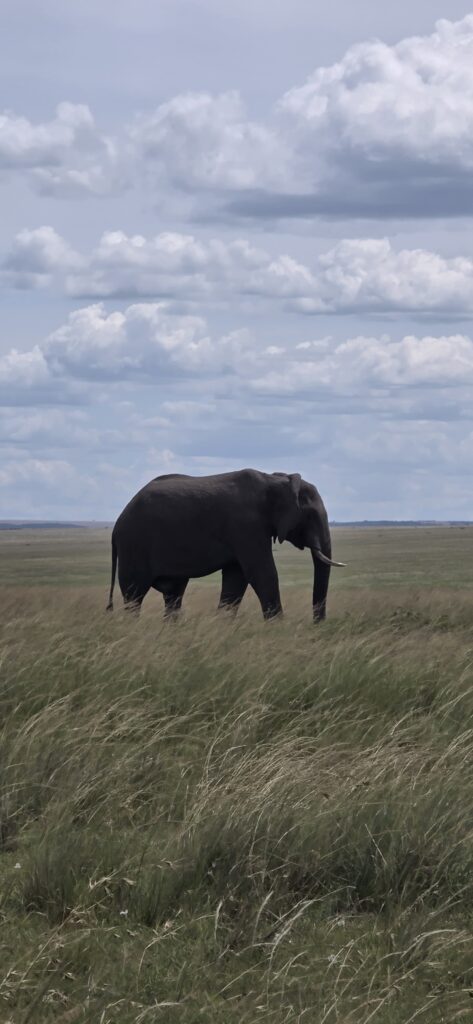
The African elephant, scientifically known as Loxodonta africana, is the largest land animal on Earth and one of the most intelligent, social, and emotionally complex creatures in the wild. With its massive body, long trunk, distinctive tusks, and large, flapping ears, the elephant is an unmistakable icon of the African continent, and a sighting of this magnificent creature is always a profound and moving experience. Elephants are matriarchal animals, living in close-knit family groups led by an experienced female who guides the herd to water, food, and safety, and their bonds are so strong that they will mourn their dead, comfort each other in times of distress, and celebrate the birth of new calves with joy and tenderness.
Elephants are also one of the most intelligent animals on Earth, with problem-solving abilities, self-awareness, and memories that span decades, and they play a vital role in their ecosystems by creating pathways, dispersing seeds, and maintaining the balance of vegetation. In Kenya, elephants are found in many national parks and reserves, including Amboseli, Tsavo, the Maasai Mara, and Samburu, and they are a major draw for tourists from around the world. However, their conservation status is listed as Endangered, and they face immense threats from poaching for their ivory tusks, habitat loss due to human expansion, and conflict with communities whose crops and water sources are destroyed. The fight to protect Kenya’s elephants is ongoing, and organizations like the Kenya Wildlife Service and numerous conservation groups work tirelessly to safeguard these magnificent animals for future generations, ensuring that the elephant remains a symbol of Africa’s wild beauty for centuries to come.
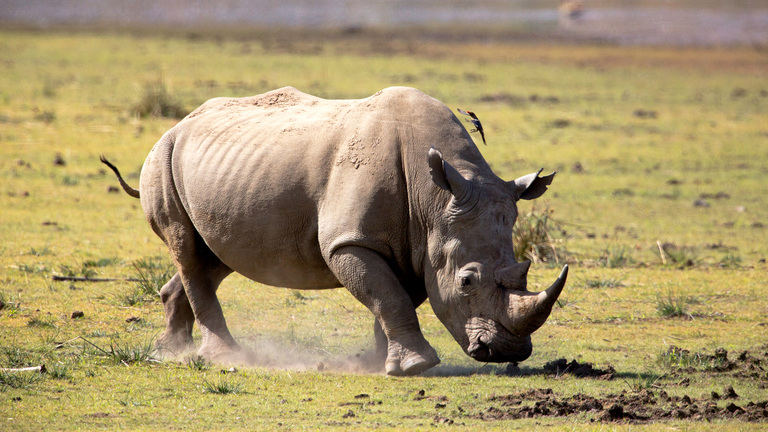
The rhinoceros, commonly known as the rhino, is one of the most endangered members of the Big Five, with two species found in Kenya: the black rhino, scientifically known as Diceros bicornis, and the white rhino, scientifically known as Ceratotherium simum. The rhino is a prehistoric-looking creature with a massive body, thick skin, and one or two horns on its snout, and it has been hunted to the brink of extinction by poachers seeking its valuable horn, which is wrongly believed to have medicinal properties in some parts of the world.
In reality, the rhino’s horn is made of keratin, the same substance as human fingernails and hair, and it has no proven medicinal value, but the demand persists, driving the illegal wildlife trade and pushing rhino populations to dangerously low levels. Black rhinos are smaller and more aggressive than their white counterparts, with a hooked upper lip that is adapted for browsing on trees and shrubs, while white rhinos are larger, more sociable, and have a square upper lip that is adapted for grazing on grass. In Kenya, rhinos are found in specially protected sanctuaries and reserves parks , including Nairobi National Park, Lake Nakuru, Ol Pejeta Conservancy, Lewa Wildlife Conservancy, and Tsavo, where they are guarded around the clock by armed rangers to protect them from poachers. Their conservation status is listed as Critically Endangered, and although Kenya has made significant progress in rhino conservation, with populations slowly increasing, the threat of poaching remains ever-present, and the fight to save these magnificent creatures requires continued vigilance, funding, and global cooperation.
No safari in Kenya is truly complete without encountering the Big Five, and each sighting is a reminder of the extraordinary diversity and beauty of Africa’s wildlife. The lion, the leopard, the buffalo, the elephant, and the rhino represent the very best of what the continent has to offer, and they inspire a sense of wonder, respect, and humility in all who are fortunate enough to see them in the wild. Yet, as I reflect on my travels around Kenya, I am acutely aware of the challenges we face in protecting these magnificent creatures for future generations. Our ecosystems are gradually collapsing due to climate change, habitat loss, human-wildlife conflict, and poaching, and the future of the Big Five depends on our collective commitment to conservation and sustainable development.
I am a happy Kenyan because we still have the Big Five, and I am filled with hope that with continued effort, education, and global support, we can ensure that these animals continue to roam the plains, forests, and savannahs of Kenya for generations to come. So, whether you are a first-time visitor or a seasoned safari-goer, I urge you to come to Kenya, to seek out the Big Five, to immerse yourself in the stunning landscapes and vibrant cultures of this beautiful country, and to join us in protecting the wildlife that makes this nation so extraordinary.