Contact : +254 725 877 146

The Ugly Five
Beauty is in the eye of the beholder. Meet Africa's Ugly Five, the marabou stork, vulture, hyena, wildebeest, and warthog and discover why they're the unsung heroes of the ecosystem.

There is beauty in ugliness, and there is ugliness in beauty too. We have all heard of Africa’s majestic Big Five and even the charming Small Five, but there is another group that rarely makes it onto safari bucket lists, the Ugly Five. At a glance, these creatures may not win any beauty pageants, but look closer and you will discover something remarkable: they are among the most important animals on the savannah. In my opinion, the Ugly Five are beautiful in their own unique way, especially when you consider the vital role they play in maintaining ecosystem health. They are super-environmental cleaners, nature’s garbage disposal squad, and without them, our wilderness would be littered with carcasses, disease would spread, and the circle of life would grind to a halt. So, let us give these unsung heroes the spotlight they deserve and explore why they are actually gorgeous on the inside.
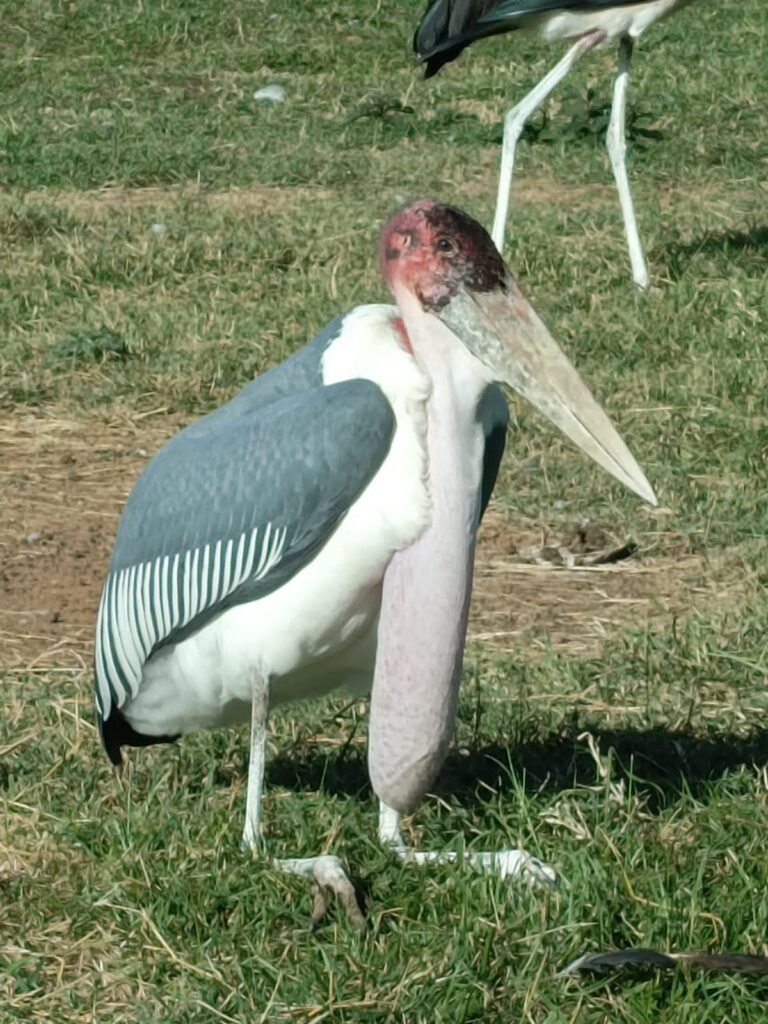
First on the list is the marabou stork, often called the “undertaker bird” because of its sinister, cloak-like appearance. This massive bird grows to a height of 132 centimeters and weighs up to nine kilograms, and with its bald head and neck, black and white underparts, a huge bill, a pink gular sac at its throat, a neck ruff, and black wings and legs, it is not hard to see why it made the Ugly Five list. However, there is a brilliant purpose behind its peculiar appearance, the bare head and neck are actually an adaptation that allows the bird to dig deep into carcasses without getting its feathers matted in blood and gore. The marabou stork is a scavenging superstar whose role in the ecosystem is to clean up animal waste and decaying matter, ingesting carbon and organic debris to keep the environment sanitized and prevent the spread of disease. Despite its grim appearance, this bird is surprisingly graceful in flight and often soars high on thermal currents alongside vultures, and its conservation status is listed as Least Concern, meaning it is still relatively abundant across its range.
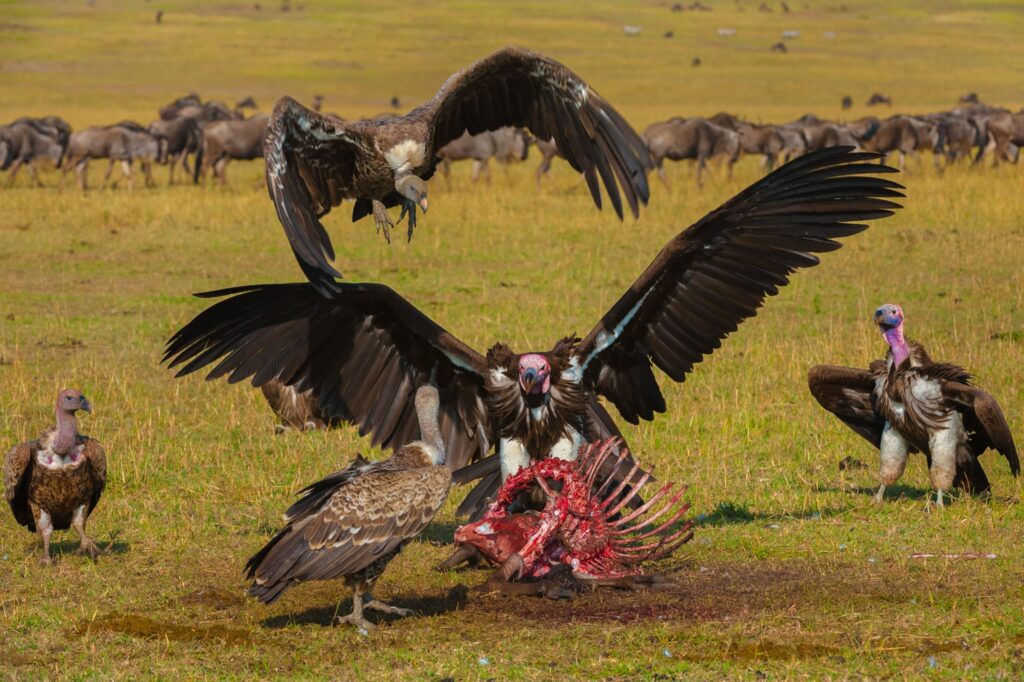
No Ugly Five list would be complete without the vulture, characterized by its bald head and neck and its lack of formal feathers, with bare skin that helps with thermoregulation. These remarkable birds even use their own urine to keep themselves cool by urinating on their legs, a rather unusual cooling method that is not pretty but certainly effective. Vultures are the primary scavengers of the African savannah, consuming carcasses before they have a chance to rot and preventing the spread of deadly diseases like anthrax and botulism while recycling vital nutrients back into the food chain. Their conservation status is listed as Vulnerable, and some species are even critically endangered, as vulture populations are declining rapidly due to poisoning, habitat loss, and the illegal wildlife trade, meaning they desperately need our protection. Interestingly, a group of vultures in flight is known as a kettle, a group resting on the ground or in a tree is called a committee, and a group feeding on a carcass is referred to as a wake, proving that these birds have a rich social vocabulary despite their grim reputation.
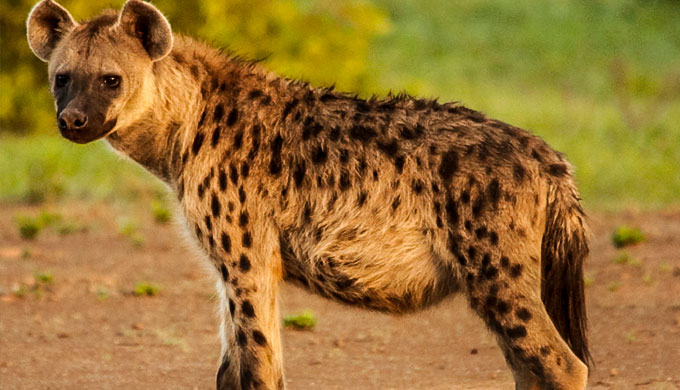
The hyena is arguably the most misunderstood species on Earth, and despite having the strongest jaws of any mammal, capable of crushing bone with ease, the hyena is often portrayed as a cowardly, greedy scavenger in folklore and popular culture. Across many societies around the globe, hyenas are used in myths and folk tales as bad omens, symbols of greed, or opportunistic creatures, and its sloping back and short hind legs completely define its supposed ugliness. However, let us set the record straight: hyenas are actually skilled hunters that kill up to eighty percent of their own food, they have complex social structures led by dominant females, and they are highly intelligent, with problem-solving abilities comparable to primates. Their role in the ecosystem is absolutely vital, as they consume every part of a carcass, including bones and hooves, keeping the savannah clean and reducing disease risk, and their powerful jaws break down nutrients that other scavengers cannot access. The hyena’s famous “laugh” is not amusement at all but rather a form of social communication that can indicate excitement, frustration, or submission, and its conservation status is currently listed as Least Concern, although populations are declining in some regions.
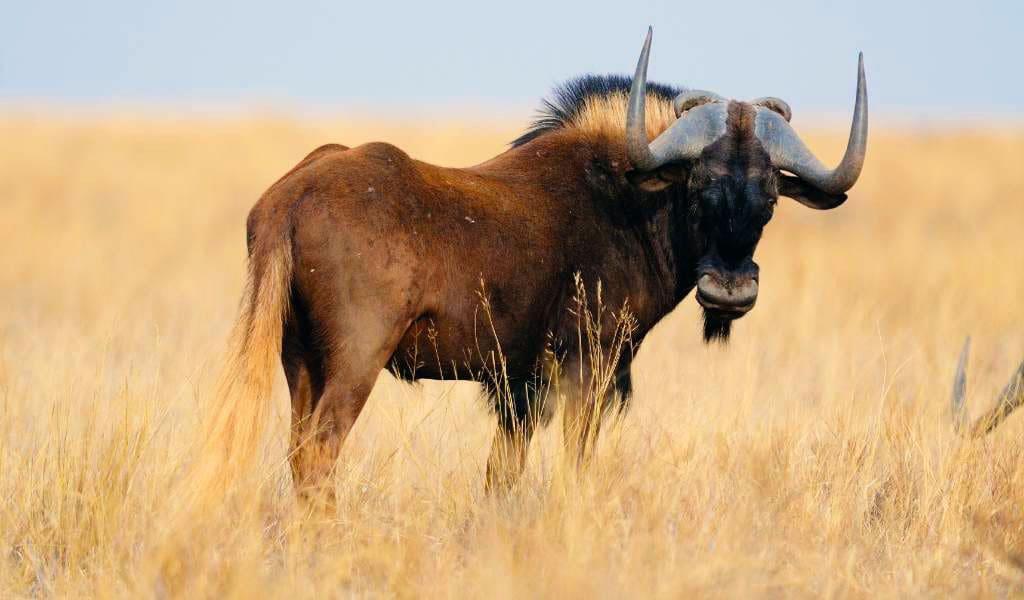
The wildebeest, also commonly known as the gnu, looks like it was assembled from leftover animal parts, and local folklore actually says that it was made from spare parts, with a buffalo-like head, an antelope body, and a horse’s tail, making it the very definition of out of proportion. Its body is completely disproportionate, with a large, heavy front end contrasting sharply with its slender hindquarters and spindly legs, making it look perpetually awkward and ungainly. Yet despite this awkward appearance, the wildebeest is one of Africa’s most successful herbivores, with over one and a half million individuals migrating across the Serengeti-Mara ecosystem each year in one of the greatest wildlife spectacles on Earth. Their role in the ecosystem is equally impressive, as they are grazers that maintain grassland health through their feeding patterns, their dung fertilizes the soil and spreads seeds across vast distances, and they provide a massive food source for predators and scavengers alike. The wildebeest’s distinctive “gnu” sound is actually an onomatopoeia of their grunting call, and their conservation status is listed as Least Concern, ensuring that these magnificent migrations will continue for generations to come.
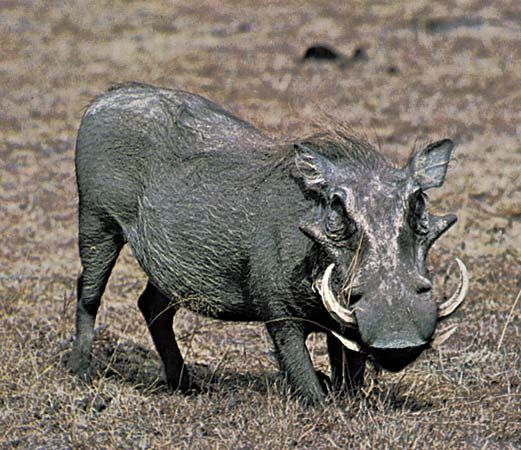
Last but certainly not least is the warthog, a member of the pig family that is instantly recognizable by its two pairs of tusks protruding from the mouth and curving upwards, a wide head, and a mane that runs down the spine from the head to the middle of the back. With a head and body length ranging from 0.9 to 1.5 meters and a shoulder height of 3.0 to 4.9 feet, males are larger than females and sport more prominent tusks, which they use for digging and defense. The sparse, bristly hair on the warthog’s body makes it susceptible to extreme environmental temperatures, which is why these animals are often found wallowing in mud to keep cool and protect themselves from the sun. Warthogs are primarily herbivorous, feeding on grasses, roots, bulbs, and tubers, but they will sometimes scavenge on carrion when food is scarce, and their digging behavior aerates the soil and helps with seed dispersal, contributing to the overall health of their habitat. Their conservation status is listed as Least Concern, and they are surprisingly fast runners, capable of reaching speeds of up to 48 kilometers per hour, and they are known to run backward into their burrows to face predators head-on with their formidable tusks.
So, why do the Ugly Five deserve your respect? Beauty is subjective, but ecological value is not, and these five species provide services that no other animals can replicate. The marabou stork removes waste and carbon from the environment, the vulture controls disease and cycles nutrients, the hyena consumes bones and maintains ecosystem balance, the wildebeest maintains grasslands and fertilizes the soil through its dung, and the warthog aerates the soil and disperses seeds through its digging activities. Without them, Africa’s savannahs would be far less healthy and far less beautiful, and we would lose some of the most essential players in the great circle of life. If you are planning a safari in Kenya, you can spot the marabou stork at Lake Nakuru, the Maasai Mara, and Nairobi National Park, while vultures are commonly seen across the Maasai Mara, Tsavo, and Samburu. Hyenas are frequently observed in the Maasai Mara, Amboseli, and Laikipia, wildebeest are best viewed during the great migration in the Maasai Mara between July and October, and warthogs are so widespread that you can find them almost anywhere across the country. Next time you are out on safari, do not just look for the Big Five or the Small Five, take a moment to appreciate the Ugly Five, the unsung heroes that keep Africa’s ecosystems thriving. They may not be pretty, but they are essential, resilient, and absolutely fascinating, and embracing their ugliness reveals a deeper beauty that goes far beyond appearances.