Contact : +254 725 877 146

The Small Five

We’ve all heard the saying “Big is not necessarily strong, and small is not necessarily weak.” Nowhere is this truer than in the wilds of Kenya. While the legendary Big Five (lion, leopard, elephant, rhino, and buffalo) steal the spotlight, there is a lesser-known cast of characters that is equally deserving of your attention, the Small Five.
Also, affectionately known as the “Little Five,” this quirky collection of insects, reptiles, birds, and mammals shares its name with Africa’s most iconic megafauna. But here’s the twist: they aren’t smaller versions of their famous namesakes. Instead, they bear the names because of specific traits like a horn, a snout, or a pattern that mimic the big guys.
One of my top bucket-list goals for 2026 is to track down all five of these incredible creatures. And honestly? I’m surprised more nature lovers don’t include them in their wildlife-spotting plans. So, let’s fix that.
Here’s your guide to Kenya’s magnificent Small Five:
1.TheRhinoBeetle
The heavyweight of the insect world.
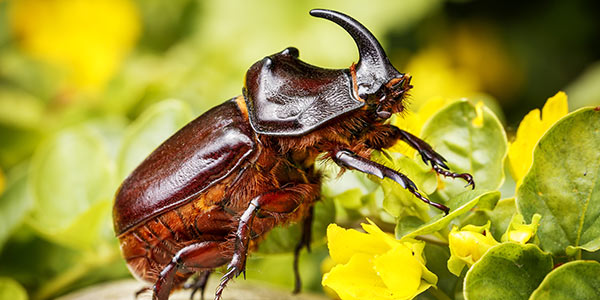
This tough little guy gets its name from the prominent horns on its head, which closely resemble those of a full-grown rhinoceros. Males are particularly feisty,they use their horns for fighting rivals, digging burrows, climbing trees, and even mating. Despite their fierce, armor-plated appearance, rhino beetles are completely harmless to humans. They’re more about show than bite!
2.TheElephantShrew
An insect-eater with a trunk-like nose.
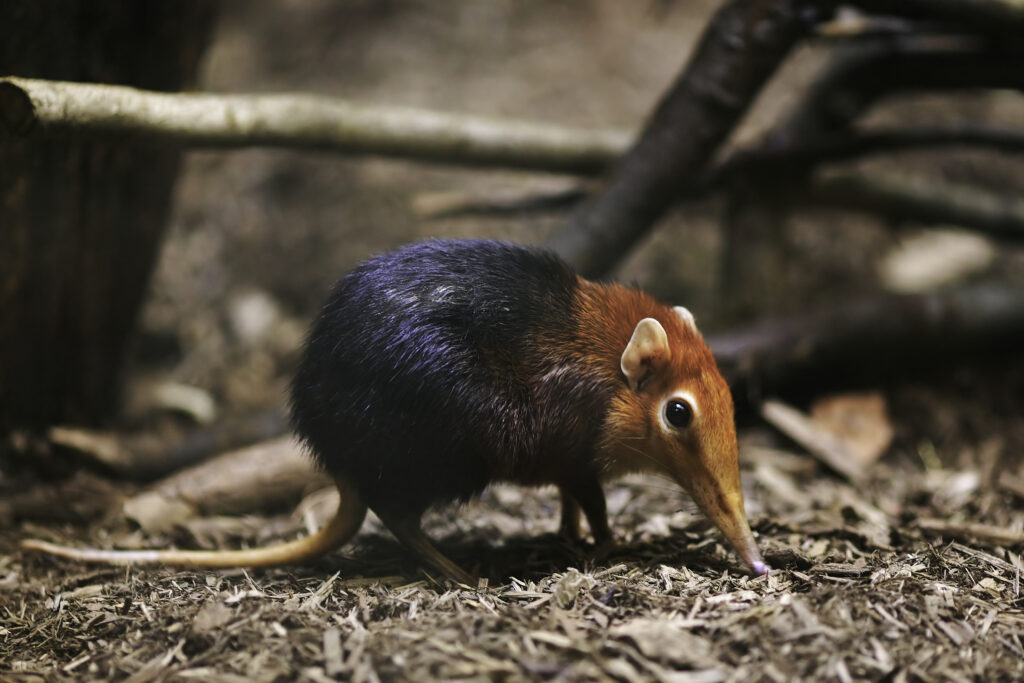
Don’t let the name fool you, this isn’t a shrew, and it’s certainly not an elephant! Found in arid lowlands, savannahs, and forests, the elephant shrew is a small, insect-eating mammal with a long, flexible snout that works much like a tiny trunk. With its mouse-like body and rapid movements, it’s one of the most endearing creatures to spot on a game drive, if you’re quick enough!
3.TheAntlion
A master of deception.
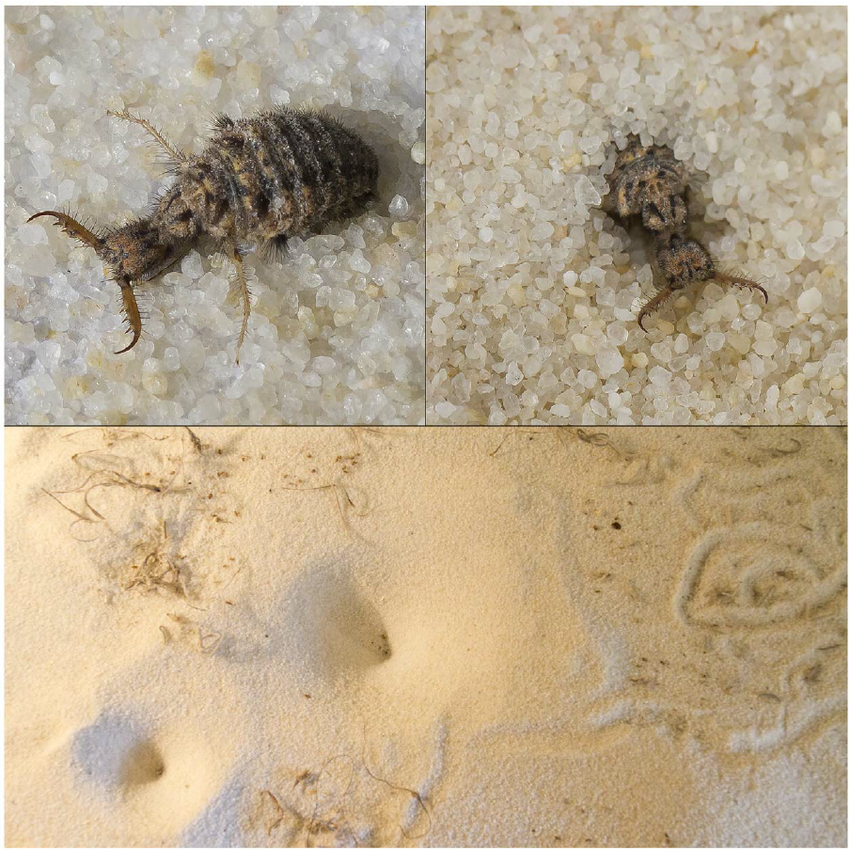
Unlike its namesake, the African lion, the antlion is neither fierce nor furry. In fact, it’s a small insect with an extraordinary hunting strategy. Antlion larvae dig funnel-shaped traps in sandy soil and wait at the bottom for unsuspecting ants to tumble in. It’s nature’s own tiny predator, proving that you don’t need a mane to be a skilled hunter.
4.TheLeopardTortoise
Slow, steady, and beautifully spotted.
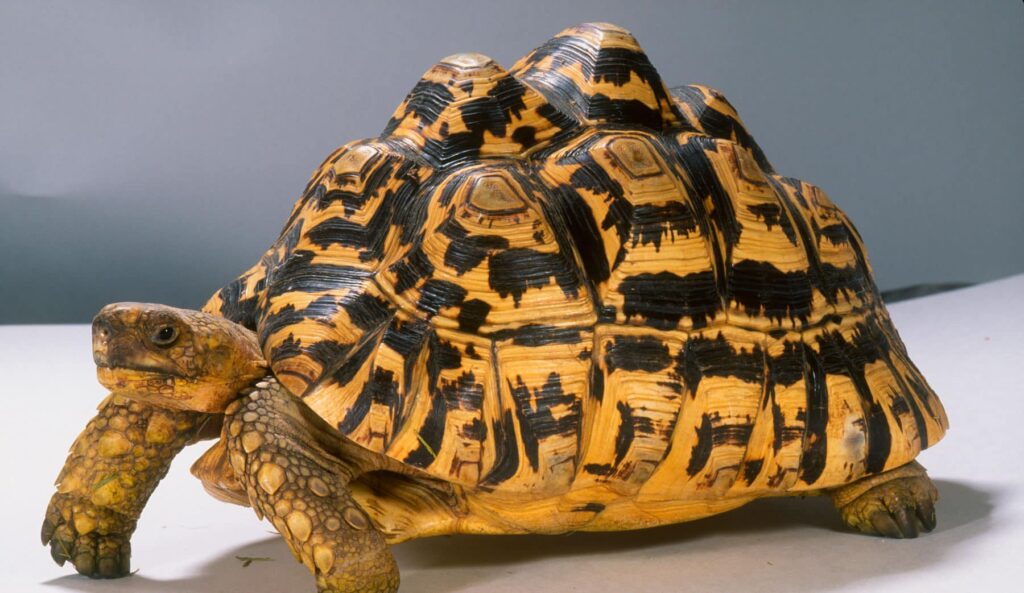
This reptile earns its name not from its speed or hunting habits (it’s a strict herbivore), but from the stunning spotted patterns on its shell. The intricate black-and-yellow markings closely resemble the rosettes found on a leopard’s coat. Unlike its carnivorous namesake, the leopard tortoise prefers munching on grasses, fruits, and succulents—calm, gentle, and gorgeous to behold.
5.TheBuffaloWeaver
The socialite of the bird world.
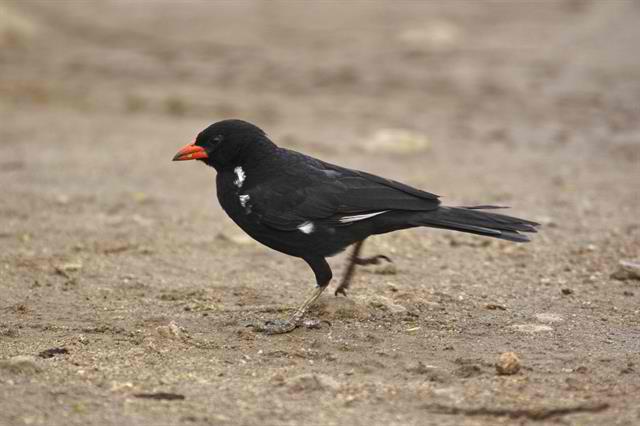
Found in woodlands and savannas, the buffalo weaver is a highly sociable bird that thrives in colonies. It feeds on insects, seeds, and fruits, and is known for its loud, chattering calls and untidy, communal nests. It may not charge like a buffalo, but its tough, sturdy build and bold personality certainly echo its larger namesake.
Ready to Spot the Small Five?
Next time you’re out on safari, don’t forget to look down and look closely. The Small Five offer a whole new perspective on Kenya’s biodiversity, proving that wildlife magic comes in all sizes.
All Image Credits: Image Search Man