Contact : +254 725 877 146

9 Essential Kenya Facts for Visitors

History
During the 1st century AD,the Kenyan coast was frequented by Arab traders who then established Arab and Persian colonies.
During the 1885 Berlin conference,the East Africa was divided into territories of European powers.
The British founded the East Africa protectorate in 1895 and thus they found the Kenyan highlands.
Kenya was officially declared a British colony in 1920 therefore the Africans and Asians were banned from direct political participation until 1944.
Construction of the Kenya –Uganda railway began and thousands of Indians were brought to Kenya as laborers for the railway.
In 1942 resistance to colonialism began ,this was led by the Mau Mau freedom fighters.
In 1953 ,Jomo Kenyatta was charged as the Mau Mau leader and was sentenced to 7yrs imprisonment.
In 1956, Dedan Kimathi was arrested as the leader of Mau Mau uprising for the fight for independence.
Between October 1952 to December 1959 Kenya was declared a state of emergency because of the Mau Mau rebellion against the British rule.
In 1957,first time elections for Africans to the legislation council took place.
1962 ,Jomo Kenyatta was released from detention.
In 1963,December 12 Kenya became an independent republic with Jomo Kenyatta as the first president.
Kenya is a home to thousands of refugees with the Kakuma refugee camp found in northern Kenya being the largest refugee camp in the world.
UN headquarters for Africa are found in Nairobi Kenya
Kenyans drive on the left side of the road
The last time a volcano erupted in Kenya was in 1922
Geography & Natural Wonders
Straddles equator; borders Ethiopia, Somalia, South Sudan, Tanzania, Uganda, and Indian Ocean (580,367 km²).
Mt. Kenya (5,199m), Africa’s second-highest peak and UNESCO site is found in Kenya.
Unique landscapes: coastal plains, Rift Valley, central highlands; Lake Turkana (permanent desert lake); rivers like Tana, Mara.
Kenya is home to Nairobi National Park: World’s only wildlife park in a capital city skyline.
Kakamega Forest: East Africa’s sole tropical rainforest, a biodiversity hotspot is found in Kenya.
Resources: Soda ash, gemstones, hydropower; cash crops: coffee, tea, pyrethrum. Tourism ranks third in forex; prone to droughts/floods.
The People of Kenya
Kenya boasts 43+ ethnic groups (Bantu largest, then Nilotes, Cushites; plus Arabs, Asians, Europeans); ~47 million people ( according to the 2019 census.)
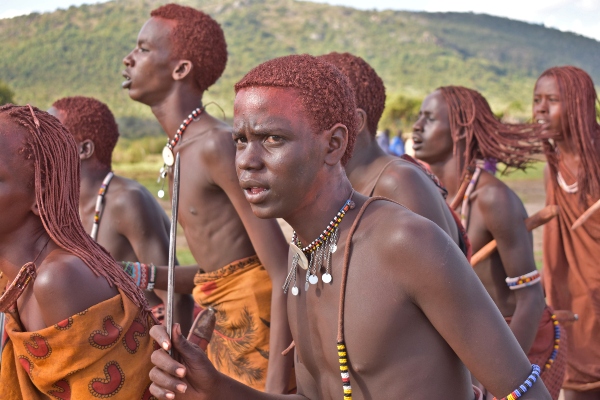
Kiswahili and English are Kenya’s official languages
Polygamy became legal during the promulgation of the (2010 Constitution).
Wangari Maathai was the First African woman Nobel Peace laureate (2004, environment).
Kenya runs the world. The country dominates long-distance running, producing legends like Eliud Kipchoge, the marathon world record holder.
Wangari Maathai made history. In 2004, she became the first African woman to win the Nobel Peace Prize for her environmental and social activism.
Climate,wildlife and tourism
Kenya’s climate varies from warm tropical at the coast to mi-arid in the interior
Geography is so unique whose landscape is low planes along the coast at the Indian ocean to a fertile plateau in the west.
Kenya’s interior is characterized by the central highlands which are bisected by the Great Rift Valley.
Kenya experiences two seasons ,the dry season (December and March)and the wet season also known as the coldest months(June- August)
Kenya has one permanent desert lake,lake Turkana
Lake victoria found in Kenya is the second largest fresh water lake in the world
Main rivers in Kenya are Tana, Galana, Nzoia, Ewasonyiro and Mara river
Kenya is a home to the second highest mountain, Mt Kenya
Kenya has three capital cities,Nairobi, Mombasa and Kisumu. Nairobi is the largest capital city
Nairobi National Park makes Kenya a global destination because it’s the only park in the world found in a capital city.You can witness the Great Migration.
The Maasai Mara hosts one of nature’s greatest spectacles: millions of wildebeest and zebras crossing the plains.
Kenya is a home to Kakamega forest, the only tropical rain forest in East Africa
Kenya is blessed with natural resources like soda ash, limestone, gemstones, fluorspar, diatomite, zinc, gas, gypsum, hydropower and oil
A variety of wildlife species exist in various parts of Kenya
Tourism is the third earner of Kenya’s foreign exchange
Kenya experiences natural disasters like droughts, famine and floods annually
Main cash crops are coffee, tea and pyrethrum
The Kenyan Coat of Arms
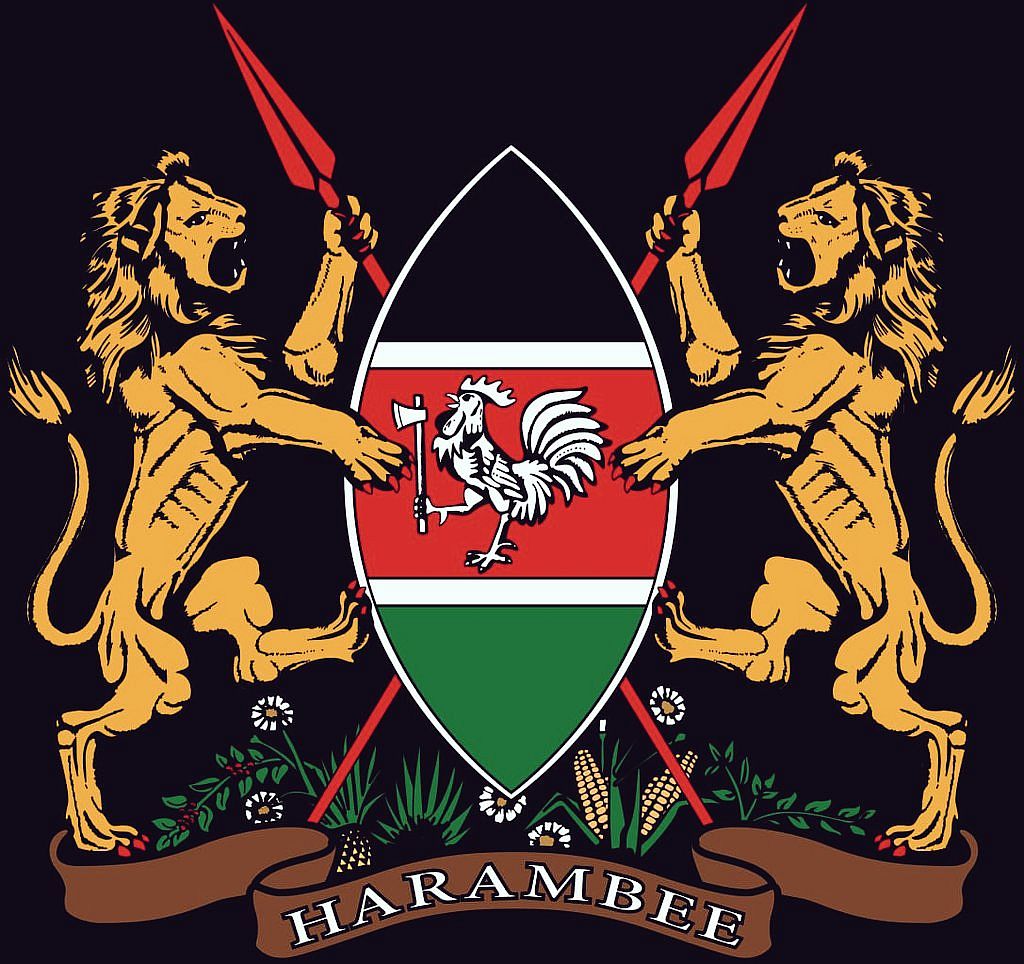
This was adopted in1963. It features two lions holding spears and a traditional East African shield.
The lions symbolize protection while the shield and spears symbolize unity and the fight for freedom
The shield contains three national colors: black for the people of Kenya, red for the struggle of freedom/bloodshed by freedom fighters ,green for agriculture and our natural resources and white for unity and peace
The brown scroll represents “Harambee”,a Swahili word which means lets pull together
The compartment- represents Mount Kenya, proper containing in the Kenya’s agricultural key crops like coffee,tea,pyrethrum,maize and sisal
The rooster- portrays authority, the work, will,success and the break of anew day. It is also used as a symbol of KANU party (Kenya African National Union)
The court of arms appears on the Kenyan flag and also on all Kenyan shilling coinage
The Kenyan Flag
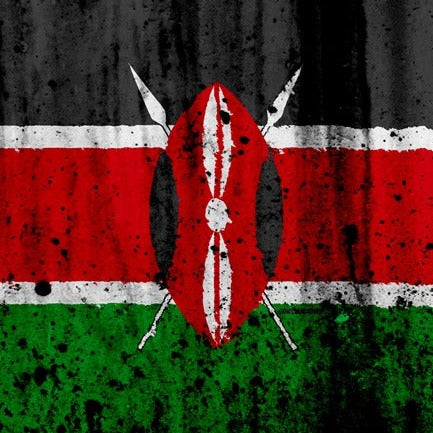
The Kenyan flag was officially adopted on 12th December 1963on Kenya’s Independence Day
A beautiful flag with a horizontal tricolour of black, red, green ,with two white edges imposed with are white and black maasai shield crossed with two spears
The black colour represents the Kenyan people
Red colour represntsthebloodthat washed duringthe fight for independence
Green represents the super adorable Kenya’s land,natural resources and agriculture
White represents peace and unity
The maasai shield and two spears symbolizes the defence for Kenya during her fight for independence
Religion
Freedom of worship for all Kenyans is mandated by the Kenyan Constitution 2010
Major religions are Christianity,Islam,traditionalists and non-believers
Currency
The Kenya shilling is the main source-of foreign exchange
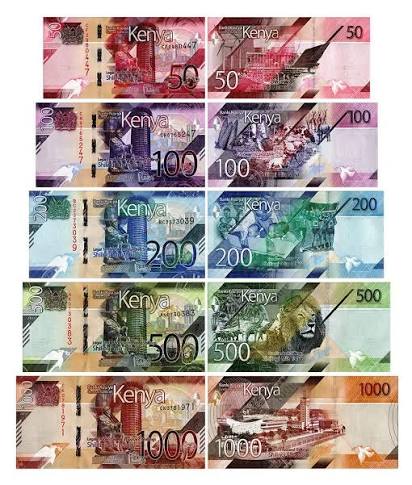
Early 2019 Kenya got new currency with animal symbols instead of leaders images. The Kenyan shilling features animals, not politicians.
In a refreshing change, Kenya’s currency celebrates its incredible wildlife with lions, elephants, and rhinos on the notes.
Must-Know Tidbits
– Drive on the left side of the road.
– Sip on some of the world’s best coffee and tea grown right here!
– Learn a few Swahili phrases: Jambo” (Hello) and “Asante” (Thank you) will take you far.
– Pack for all seasons—Kenya’s weather can shift from tropical coastlines to chilly highland
Kenya isn’t just a destination; it’s an experience. Whether you’re hiking through lush highlands, savoring Swahili cuisine, or listening to stories from a Maasai elder, this country stays with you long after you’ve left.
Karibu Kenya, Welcome to Kenya!