Contact : +254 725 877 146
World Wetlands Day: Honoring Heritage, Harnessing Knowledge

Every year on the 2nd of February, the world focuses its attention on one of the most important yet least appreciated ecosystems on the planet – the wetlands. Since the signing of the Ramsar Convention on Wetlands in 1971, this day has been celebrated as a rallying call for people worldwide to recognize, celebrate, and protect these unique ecosystems. This year’s celebrations of World Wetlands Day, marked by the theme “Wetlands and Traditional Knowledge: Celebrating Cultural Heritage,” serve as a reminder that these are not just important ecosystems , they are also a storehouse of human wisdom and tradition.
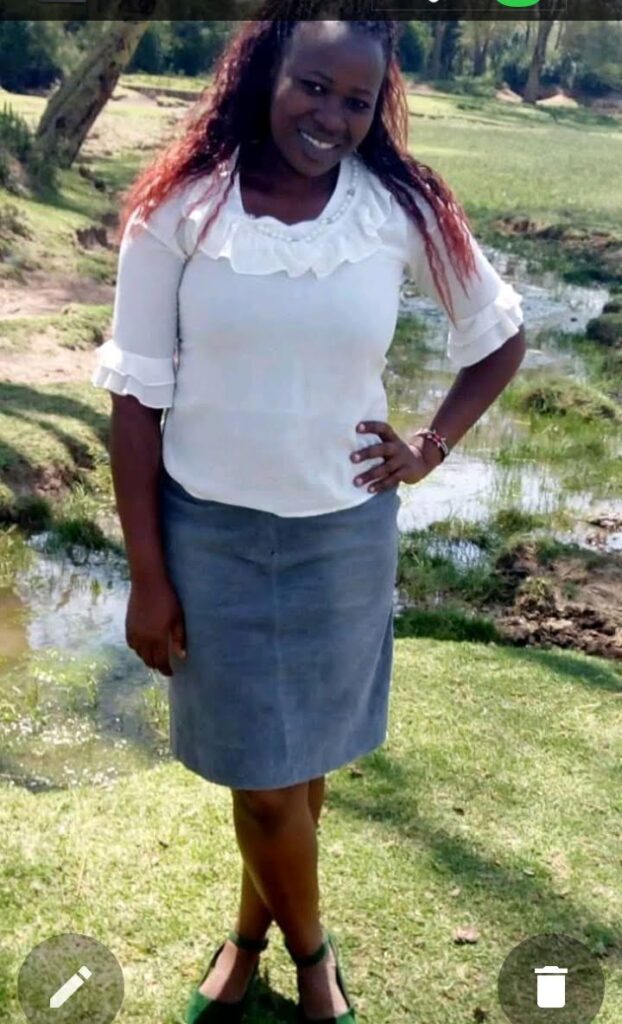
As a way of celebrating this year’s World Wetlands Day, I have decided to create awareness about the significance of these ecosystems by shedding some light on what they are, why they are important, and how each of us can contribute towards their conservation. This post is a result of the many years of celebrations and activities that have been conducted in Kenya.
What Exactly Are Wetlands?
Wetlands are far more than just “wet land.” They are distinct ecosystems saturated with water, either year-round or seasonally. What makes them unique is the presence of hydric soils and vegetation adapted to life in waterlogged conditions.
As defined by the Ramsar Convention, wetlands include:
-Marshes, fens, peatlands
-Natural or artificial water bodies
– Areas with static or flowing water, whether permanent or temporary
-Think of wetlands as ecotones, transitional spaces where dry land and open water meet, creating some of the most productive habitats on Earth.
A World of Wetlands: Types and Terms
From coastal shores to inland river basins, wetlands come in many forms:
– Marine & Coastal Wetlands
-Coral reefs, mangrove forests, lagoons, tidal marshes, rocky shores, and sandy beaches
– Inland Wetlands
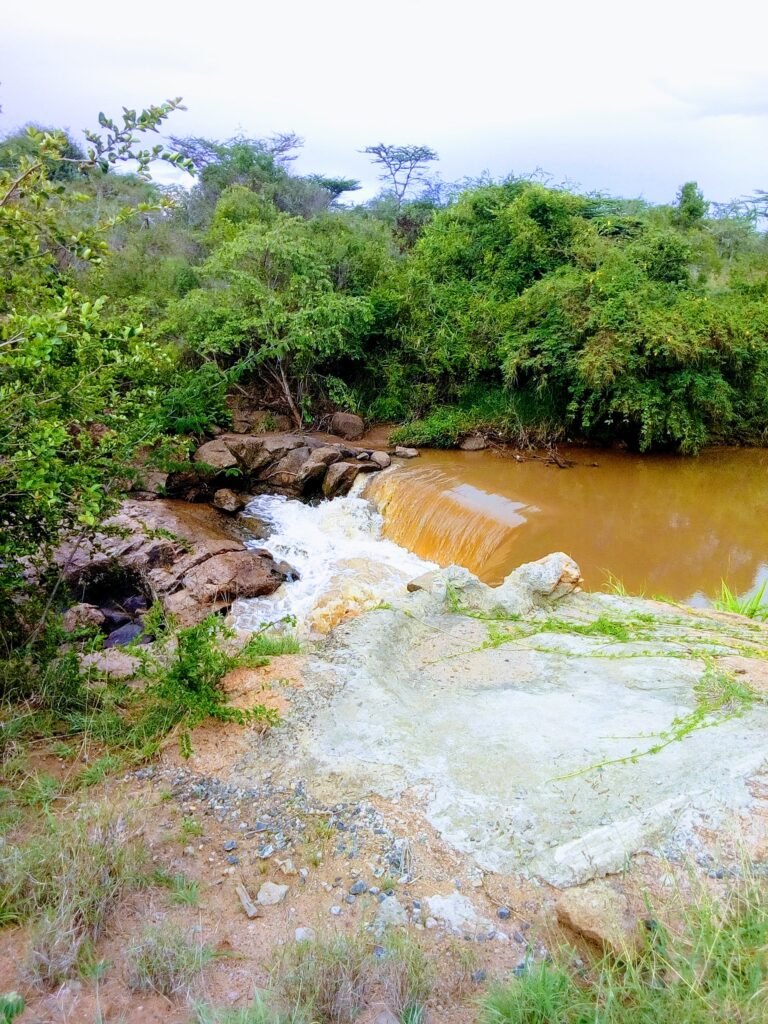
-Rivers, streams, lakes, floodplains, swamps, freshwater marshes, and peatlands
By Any Other Name
Depending on where you are in the world, wetlands might be called:
-Swamps, marshes, bogs, fens
– Bayous, backwaters, vernal pools
– Flooded grasslands, riparian zones, mires
This diversity in name reflects their rich cultural and ecological significance across communities.
Why Wetlands Matter More Than You Think
Though they cover only 6% of the Earth’s surface, wetlands deliver out-sized benefits to both people and the planet, supporting nearly 3 billion people worldwide.
Environmental Superpowers
-Climate Mitigation: They store carbon and help regulate local and global climates.
– Natural Sponges: Absorb floodwaters, recharge groundwater, and prevent droughts.
– Coastal Armor: Mangroves and coral reefs reduce storm surges and shoreline erosion.
-Biodiversity Havens: Provide critical habitat for countless species of birds, fish, and wildlife.
Human Wellbeing & Livelihood
-Food Security: Wetlands are major sources of fish—a key protein for millions.
– Water Purification: Naturally filter pollutants and improve water quality.
-Cultural & Recreational Spaces: Serve as sites for fishing, farming, ceremonies, and ecotourism.
– Traditional Knowledge: For generations, communities have lived in harmony with wetlands, developing sustainable practices, herbal medicine, fishing techniques, and seasonal calendars rooted in deep ecological understanding.
This Year’s Focus: Wetlands & Traditional Knowledge
The 2025 theme invites us to listen to the wisdom held by indigenous peoples and local communities who have depended on wetlands for centuries. Their knowledge, passed down through stories, practices, and governance systems holds lessons for sustainable coexistence.
From weather prediction using wetland behavior to using native plants for food and medicine, traditional knowledge is a vital tool for restoring and protecting wetlands in the face of climate change and development pressure.
How You Can Celebrate World Wetlands Day
You don’t have to be a scientist or activist to make a difference. Start here:
– Educate Yourself and Others
-Visit worldwetlandsday.org to download posters, fact sheets, and guides.
-Share what you learn, on social media, in your community, or through a blog (just like this one!).
-Enter the Photo & Video Contest
– Capture the beauty or urgency of wetlands near you and submit your work to the annual World Wetlands Day competition.
– Start Conversations
– Talk about why wetlands matter. Highlight their role in culture, climate resilience, and community survival.
– Join or Organize a Local Event
-Participate in cleanups, tree planting, bird watching, or advocacy campaigns.
A Personal Call to Action
My own journey in wetland conservation began along the banks of Kenya’s River Nzoia and expanded through community cleanups, school programs, and advocacy across counties like Kajiado. Every effort counts, whether it’s removing trash from a marsh, teaching a child about mangroves, or writing to raise awareness.
This World Wetlands Day, let’s honor not only the ecosystems themselves but also the cultural heritage and wisdom they sustain. Let’s move beyond seeing wetlands as wastelands and recognize them as life sources, climate buffers, and keepers of history.
Wetlands are not a luxury, they are a legacy. Let’s protect them, learn from them, and pass them on.
Great post,Thanks for sharing